

A Duluth, Georgia restoration company is urging homeowners across the state to take hidden mold threats seriously. The warning comes as Georgia's humid climate and aging housing stock continue to create ideal conditions for mold growth that often goes undetected until it becomes a major problem.
Georgia ranks among the states most vulnerable to mold issues due to its unique combination of risk factors. High humidity levels, frequent hurricane and flood damage, and a significant number of older homes create a perfect storm for mold development. MycoTest's state-by-state environmental hazard map shows elevated risk in Georgia, particularly in areas prone to water intrusion and poor ventilation.
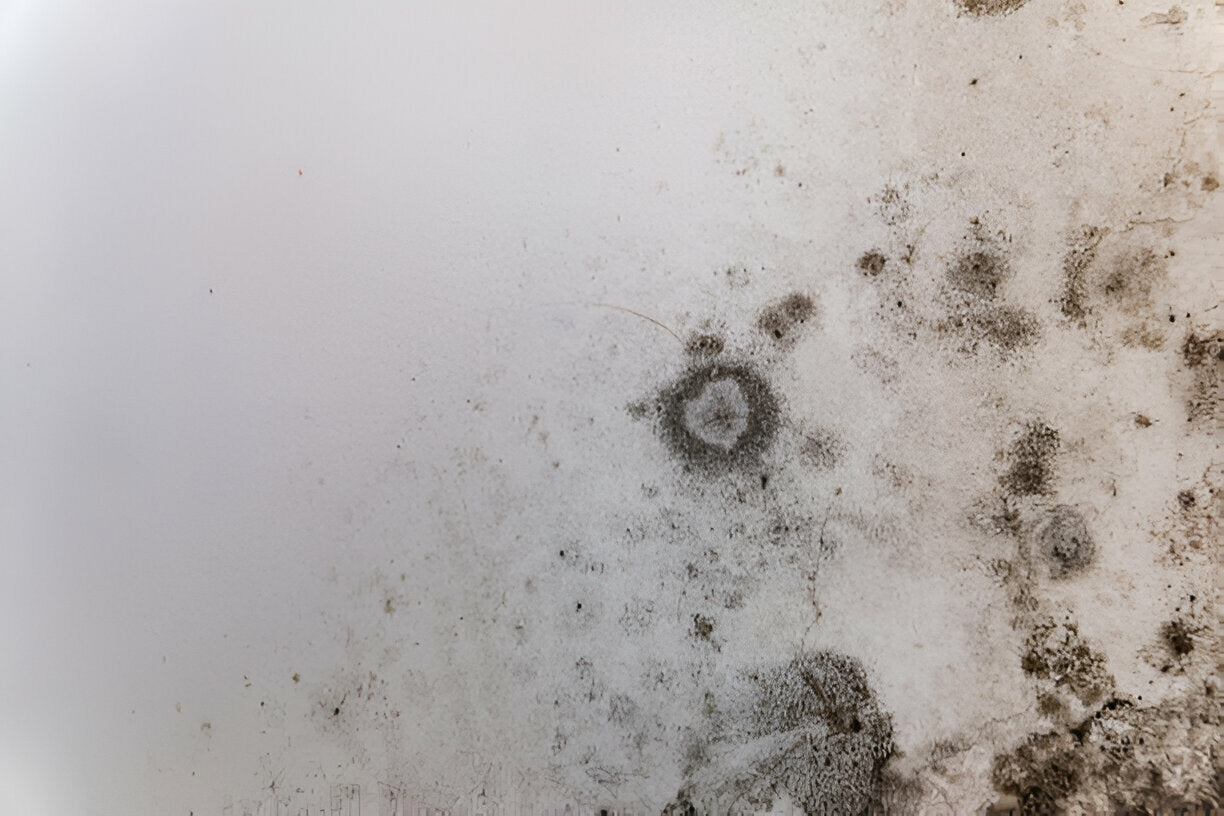
According to restoration experts, the most dangerous aspect of mold is how easily it hides from view. Mold colonies can thrive behind walls, under flooring, inside HVAC systems, and in attic spaces for months or even years before homeowners notice any signs. By the time visible growth appears or musty odors become obvious, the problem has often spread far beyond what the eye can see.
Not sure if your home is affected? The DIY Mold Test Kit gives you certified lab results in days — no inspector needed. Test your home for mold with a certified lab kit →
Why Georgia Homes Face Higher Mold Risk
The Peach State's subtropical climate means humidity levels regularly exceed 70 percent during summer months. This moisture-rich air seeps into homes through small cracks, gaps around windows, and even through concrete foundations. When warm, humid air meets cooler interior surfaces, condensation forms—and mold follows close behind.
Georgia homeowners also face elevated risks from the state's hurricane and tropical storm seasons. Even minor flooding or roof leaks from severe weather can introduce enough moisture to trigger mold growth within 24 to 48 hours. Many homeowners assume that once visible water is cleaned up, the danger has passed. In reality, moisture absorbed into drywall, insulation, and wood framing can sustain hidden mold colonies for months.
Older homes present additional challenges. Properties built before modern building codes may lack adequate vapor barriers, proper ventilation, or effective drainage systems. Decades-old plumbing hidden within walls can develop slow leaks that feed mold growth without any visible signs of water damage.
Warning Signs Every Homeowner Should Know
Restoration professionals recommend watching for these common indicators of hidden mold problems:
- Musty or earthy odors that persist even after cleaning
- Unexplained allergic symptoms that improve when leaving the home
- Discoloration or staining on walls, ceilings, or around windows
- Peeling paint or wallpaper that bubbles or warps
- Visible condensation on windows or pipes
- Recent water damage from leaks, floods, or storms
Health experts note that mold exposure can affect different people in different ways. Some individuals experience respiratory irritation, persistent coughing, or worsening asthma symptoms. Others may develop skin irritation or eye discomfort. Children, elderly residents, and those with compromised immune systems may be particularly sensitive to mold in the indoor environment.
Taking Action Before Problems Grow
The key to protecting your Georgia home is early detection. Waiting for visible mold or obvious symptoms often means the problem has already become extensive—and expensive to remediate. Professional mold remediation can cost thousands of dollars depending on how far growth has spread.
Homeowners concerned about hidden mold can take proactive steps by testing their indoor air quality. The DIY Mold Test Kit from MycoTest provides certified laboratory analysis for just $45, giving homeowners clear answers about whether mold spores are present at elevated levels in their home—without the cost of hiring an inspector.
Frequently Asked Questions
How do I know if I have mold behind my walls in Georgia?
Common signs include musty odors near walls, discoloration or bubbling paint, and allergic symptoms that worsen indoors. Since Georgia's humidity creates ideal conditions for hidden mold, testing your indoor air with a certified lab kit can detect elevated spore levels even when growth is not visible.
Can humidity alone cause mold in my home?
Yes. When indoor humidity consistently exceeds 60 percent, mold can begin growing on surfaces without any water leak or flood. Georgia homes are especially vulnerable during summer months. Keeping humidity below 50 percent with dehumidifiers and proper ventilation helps prevent growth.
How quickly does mold grow after water damage?
Mold can begin developing within 24 to 48 hours after water exposure. Even after visible water is cleaned up, moisture trapped in building materials can sustain hidden mold colonies. If your home has experienced any water intrusion, testing is the fastest way to confirm whether mold has taken hold.
Disclaimer: This article is for informational purposes only and does not constitute medical, legal, or professional advice. MycoTest DIY kits are screening tools. For confirmed contamination, consult a certified environmental professional.